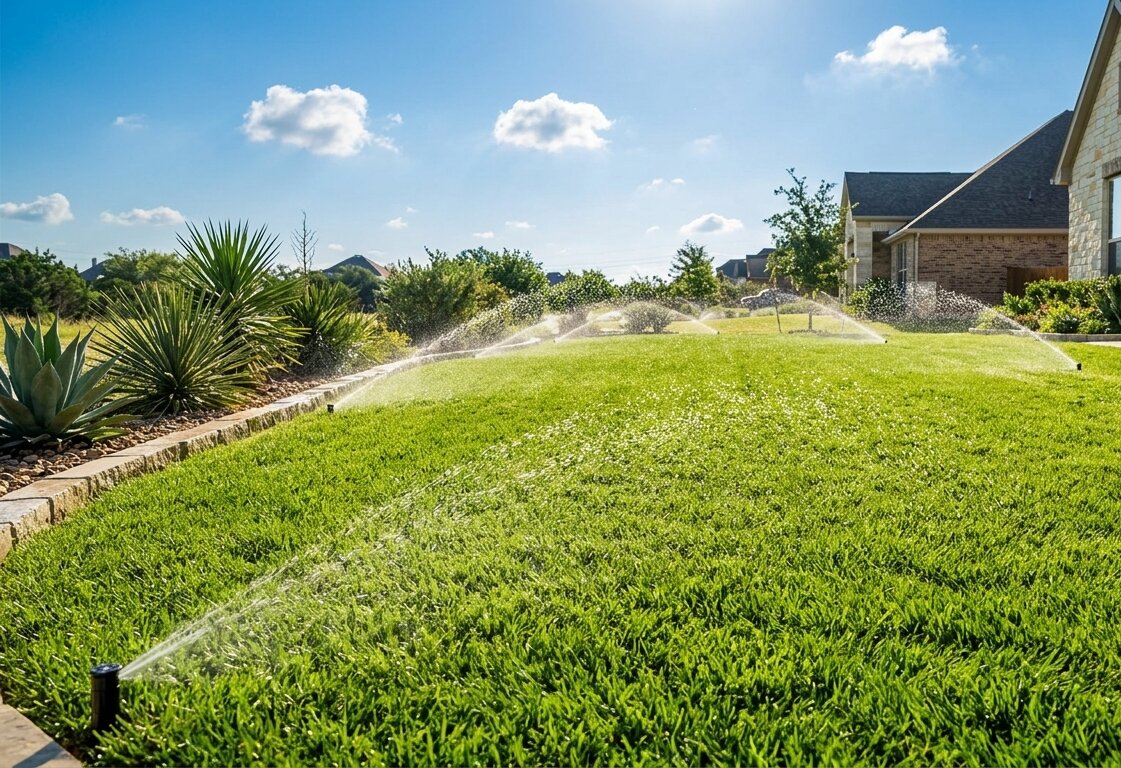
Hydro mulching makes the most sense on slopes, big open areas, and raw dirt left behind after construction. The sprayed slurry holds seed in place where dry seed would wash off in the first hard rain. On small flat yards, or when you need green grass right away, other methods usually serve you better.
Slopes are the big one. Dry seed on a hill doesn't stay put. One summer thunderstorm and half of it ends up in the street or piled against your fence. The slurry we spray grabs the soil and stays grabbed while the seed roots.
Size matters too. Hand seeding an acre is slow, uneven work, and you'll see the unevenness all season. Hydro mulching covers wide ground fast and covers it evenly.
• Slopes, drainage swales, and bank areas where seed washes away
• Large lots and pastures where sod would be impractical
• Bare dirt left after a build, an addition, or a pool install
• Thin rocky ground north of 1604, where the mulch layer holds moisture against shallow soil
• Areas you want stabilized against erosion before the next heavy rain
Now the other side. If you've got a small flat backyard and you want to walk on grass this month, hydro mulching isn't your answer. Sod is. A few bare spots by the back gate? A bag of seed and a rake will get you there. We'd rather tell you that than sell you a truck visit you don't need.
People mix these four up all the time. They're not the same job.
Sod is instant lawn, grass already grown and laid down like carpet. It's the right call for a small front yard or a spot you need looking finished fast, but it gets expensive quick on big acreage. Dry seeding is the cheap end. You broadcast seed, rake it in, and hope it stays put. On a slope, the first real Hill Country downpour washes half of it into the street.
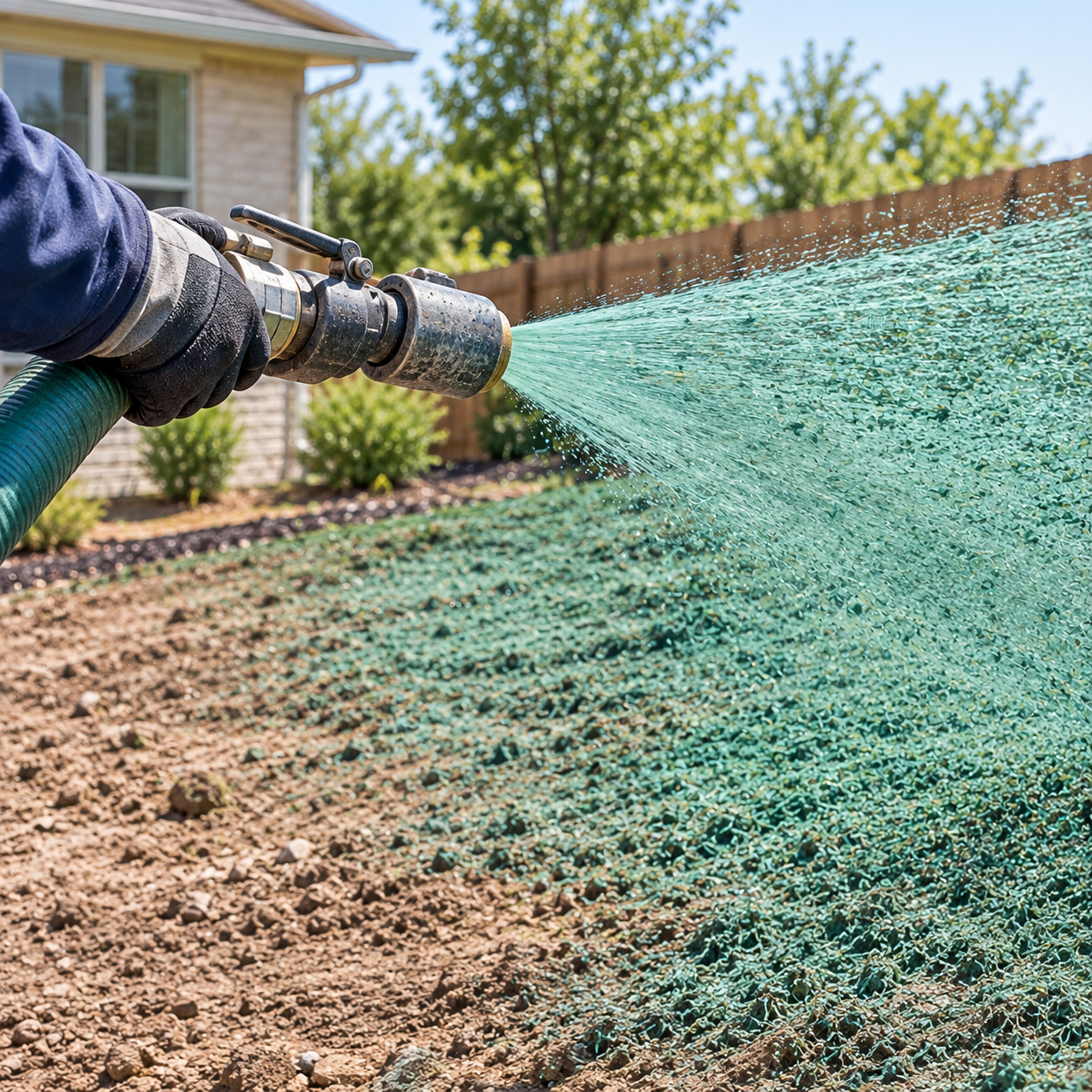
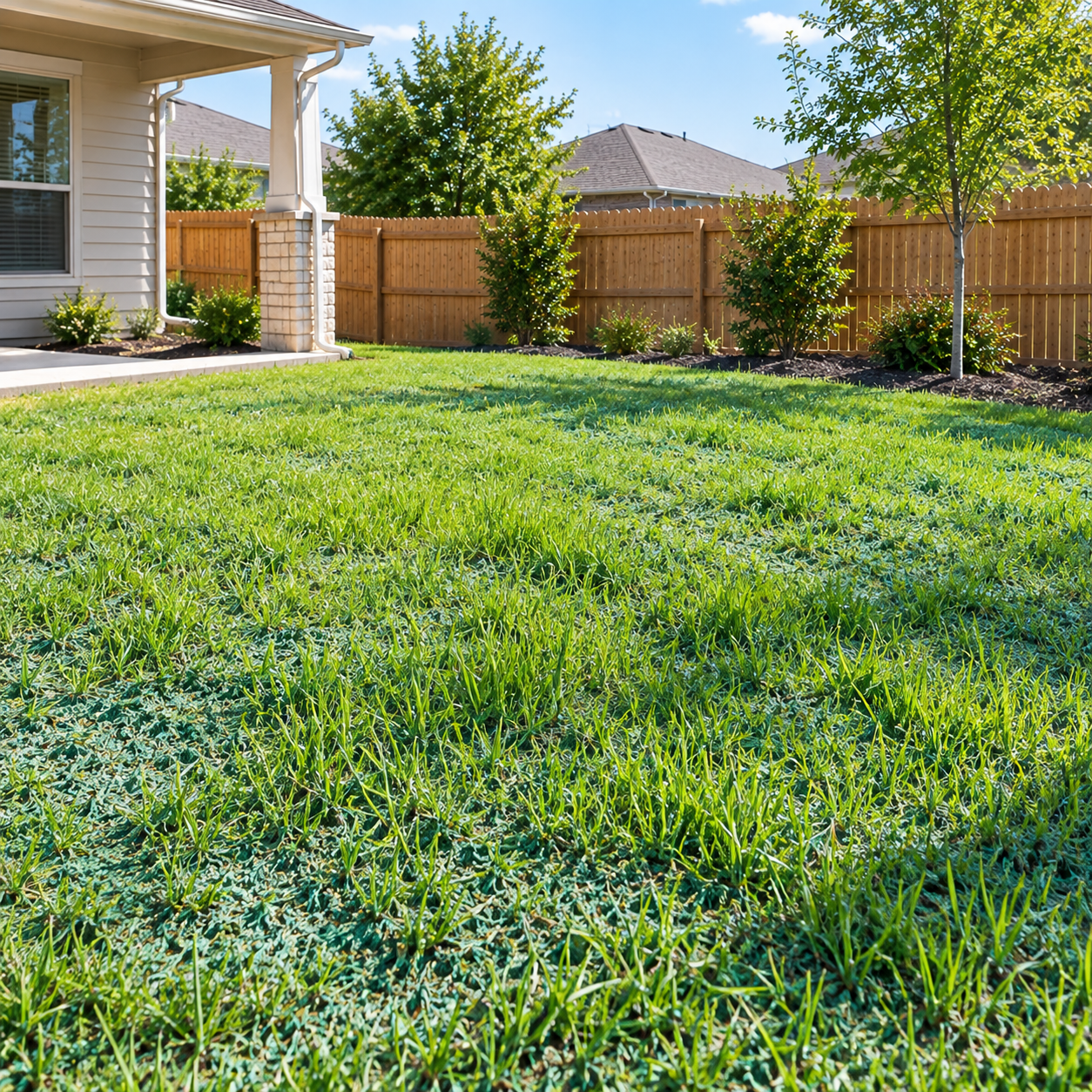
Hydro mulching sits in the middle. Seed, wood or paper fiber mulch, tackifier, and water get mixed in a tank and sprayed on as one slurry. The fiber grabs the soil and holds the seed in place. It shades the ground and keeps moisture in during a long hot August.
• Small, visible, need it green now: sod
• Large area, slope, or erosion worry: hydro mulching
• Flat, small patch, tight budget, patient owner: dry seeding
• Flower beds and around shrubs: bed mulch, not any of the above
That last one trips folks up constantly. Bed mulch is the material you spread around plantings to hold moisture and knock back weeds. It has nothing to do with growing grass. Two different products, two different trucks.
The spray is the easy day. What happens before the truck shows up is what decides whether you get grass or a green stain that washes off. Seed needs to touch soil. Not rock, not compacted crust, not a slick pad left behind by a builder. On the north side, up toward Timberwood Park and Cross Mountain, soil is shallow and rocky over limestone, and the slurry gives seed a growing layer it wouldn't otherwise have. South of 1604 the problem flips. That clay packs hard, water sheets right off it, and slurry can sit on top instead of settling in.
So we look at the ground first.
• Loosen the top layer so seed has somewhere to root instead of sitting on a hard shell
• Clear rock, construction debris, and anything that'll leave a bare hole later
• Knock down existing weeds before seeding, not after, since you can't spray most weed killers over new seedlings
• Fix the slope and low spots first if water is pooling or running off fast, which is grading work, not hydro mulching work
Timing is the other half. Warm-season grasses want warm soil, so the stretch from late spring into early summer generally works well here. Push it into the worst of a San Antonio July and you're fighting evaporation every single day. Go too late in fall and the seed sits cold and does nothing. And sort out how you're going to water it before, not after. A working sprinkler system makes this simple. Hand watering a big slope for three weeks in Texas heat does not.
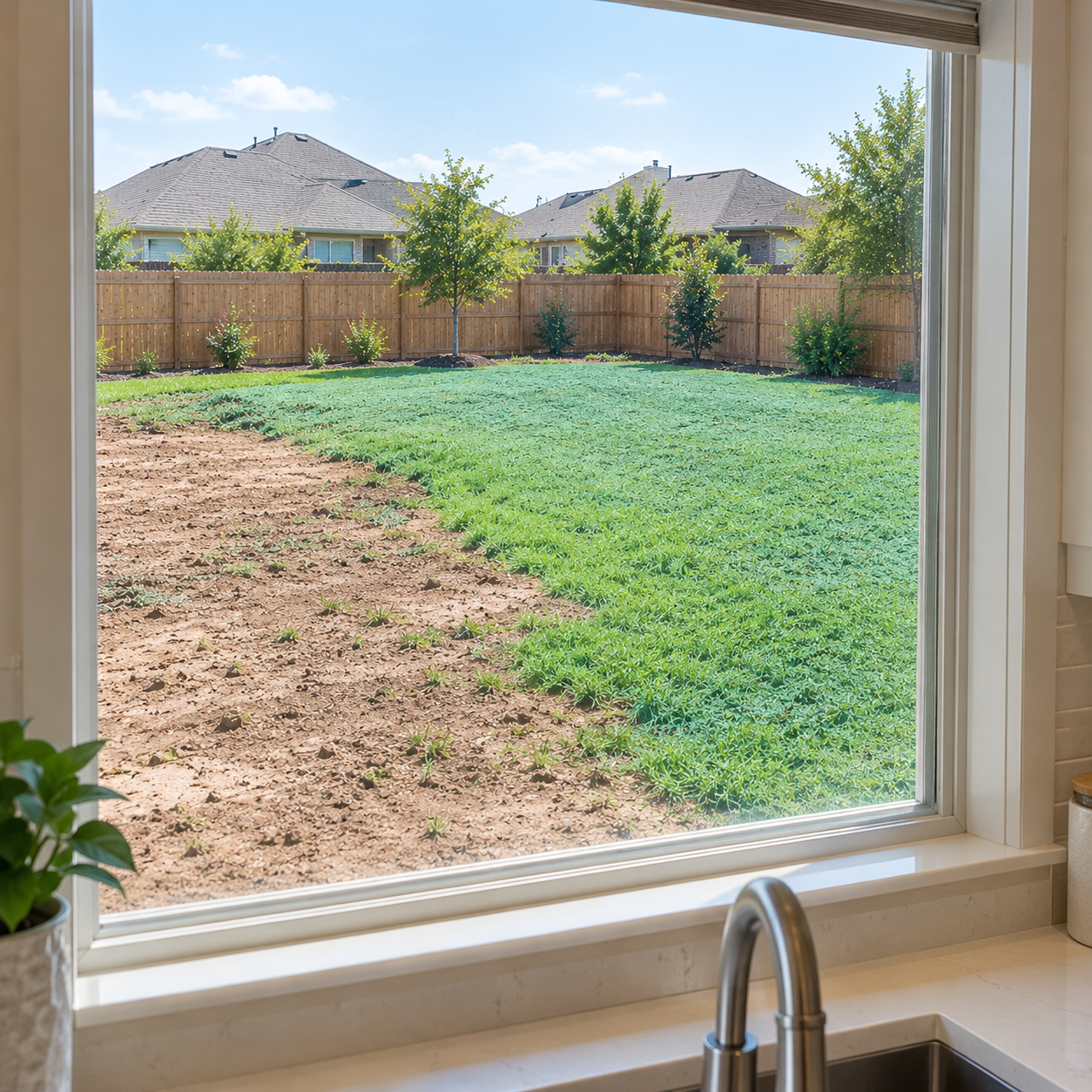
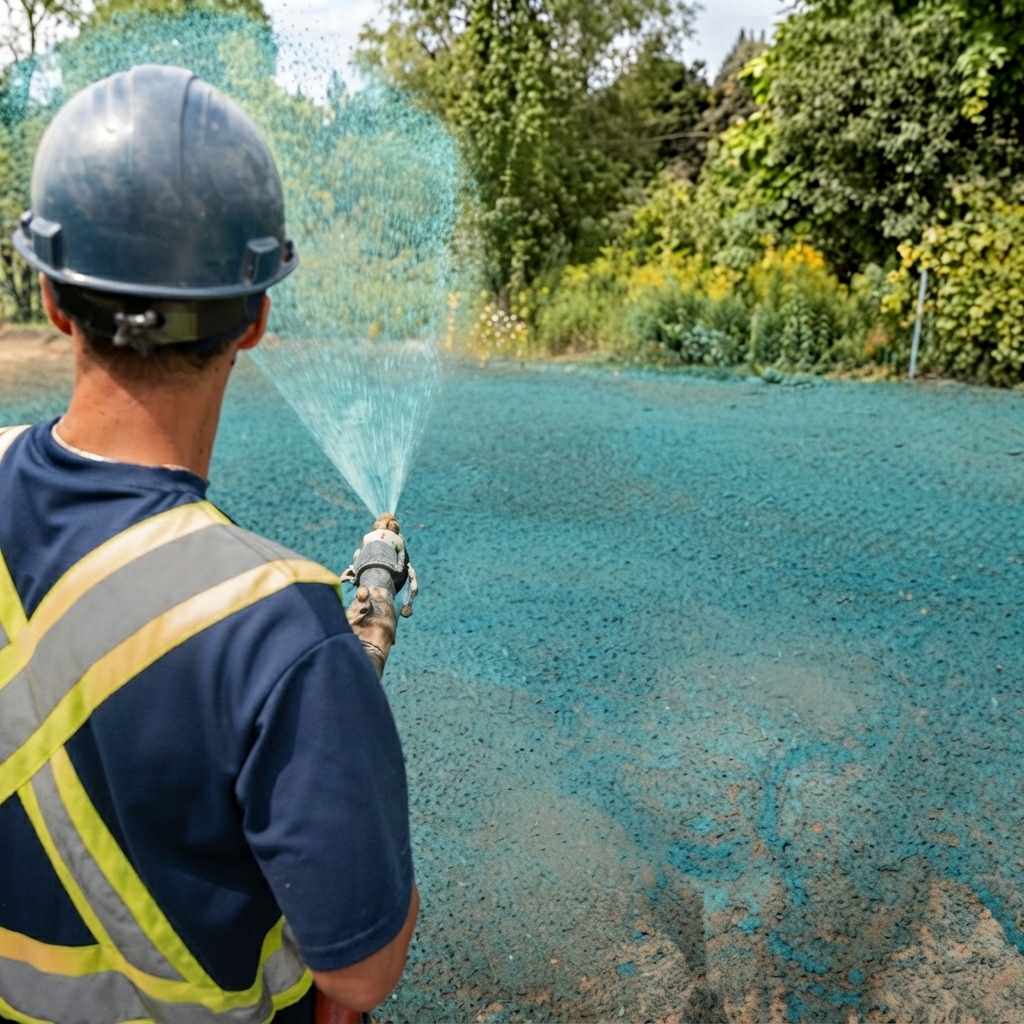
First thing you'll notice is the color. The slurry goes down green, so the yard looks finished the same afternoon. It isn't. That green is dye and wood fiber sitting on top of your soil, holding the seed in place and keeping moisture from cooking off in the sun. The real work happens underneath it.Stay off it. Foot traffic, dogs, mowers, all of it waits.
The mulch blanket only holds water for so long, and in a San Antonio summer that's not long at all. Skip three hot days in a row early on and you can lose most of the stand.
• Days 1 to 14: keep the surface damp, never soaked. Short cycles, several times a day.
• Weeks 3 to 4: you'll see thin green fuzz. Water less often but longer, so roots chase the moisture down.
• First mow: wait until the grass is about three inches tall, and make sure the blade is sharp.
• The mulch layer breaks down on its own. You don't rake it off.
Watering rules matter here. Inside the city, SAWS enforces a year-round watering rule, and drought stages tighten it further when they're in effect. Outside the SAWS service area, your local utility sets its own schedule. Check with whoever bills your water before you plan the establishment window, because a spring or fall spray usually lines up better with the rules than a July one does.
Most hydro mulched seed starts sprouting within one to two weeks, but full coverage takes six to eight weeks. Warm-season grasses need warm soil to germinate, so spring and early summer give you the fastest results. Spray during cold weather and seed can sit dormant until the soil warms.
No, that's the main reason hydro mulching exists. The fiber and tackifier in the slurry grab the soil and hold seed in place, even through a hard Hill Country downpour. Dry seed on a slope often washes into the street after one storm.
Yes, it often works better than other methods on shallow, rocky soil. Tilling seed into limestone-heavy ground barely holds it in place, and the sprayed slurry gives seed a growing layer with moisture and cover. We still loosen the top layer first, since seed needs to touch soil, not sit on rock.
%20(1).jpg)