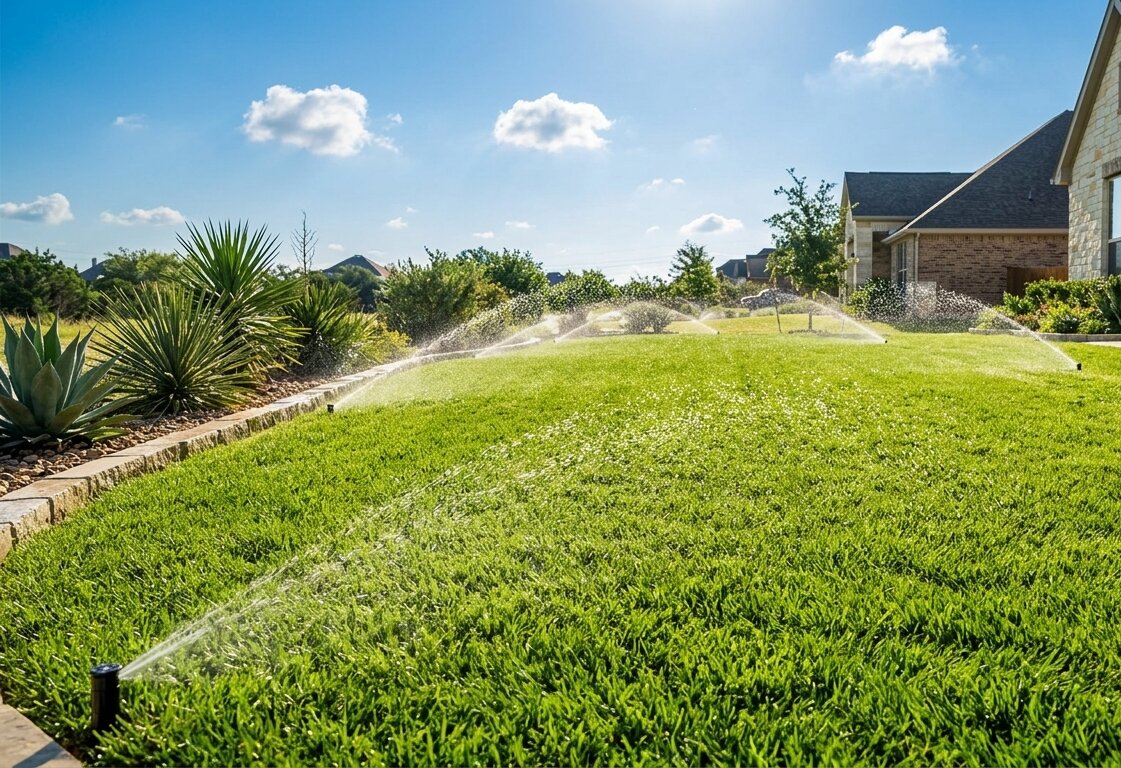
A sprinkler system audit runs every zone while you watch, measures how evenly water lands, and checks the controller, valves, and backflow preventer. The result is a written picture of where your water goes and where it's wasted. Nothing gets fixed during the audit itself. The point is to find out what's wrong before anyone spends money.
We start at the controller. Every zone gets turned on, one at a time, and we stand out there and watch it run. That sounds simple. It's the part most people skip, because you're usually watering early in the morning when you're asleep or already gone to work.
what we're looking at on each zone:
• Head condition and spray pattern: tilted heads, clogged nozzles, heads buried under turf or sunk below grade
• Coverage overlap, so one head's spray reaches the next head instead of leaving a dry ring between them
• Pressure at the far end of the zone, since low pressure makes heads dribble and high pressure turns spray into mist that blows away
• Matched nozzles on the same zone, because mixing spray and rotor heads on one valve means one half drowns while the other half burns
• Runtime and start times programmed into the controller versus what your yard needs
On many audits we set out catch cups across a zone and run it for a set time. Then we measure what collected in each cup. When one cup has twice the water of the cup ten feet away, that's your brown patch explained, no guesswork involved.
We hold Texas Irrigator License LI0004523. You get a plain list at the end: what's broken, what's just misadjusted, and what's costing you money every single cycle.
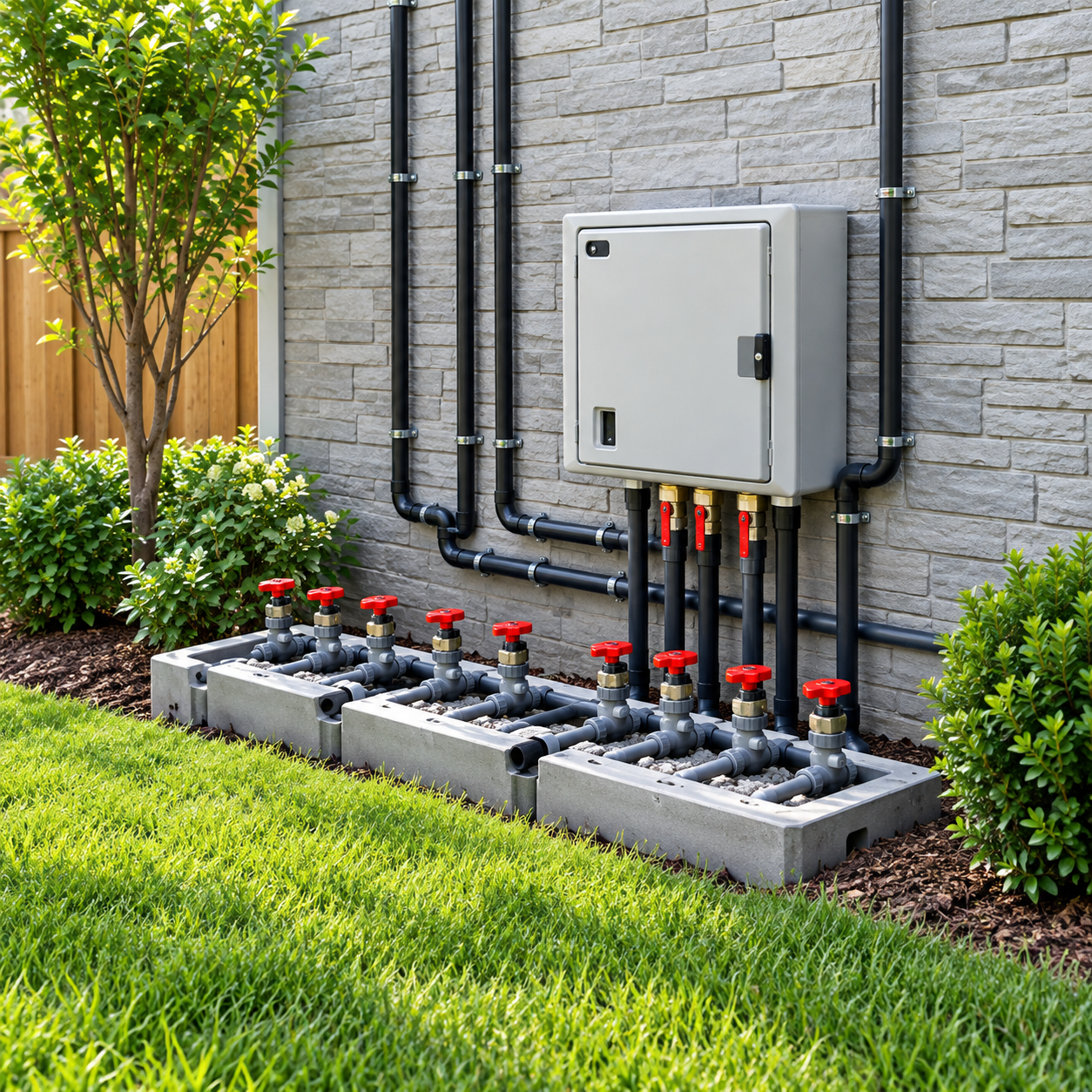
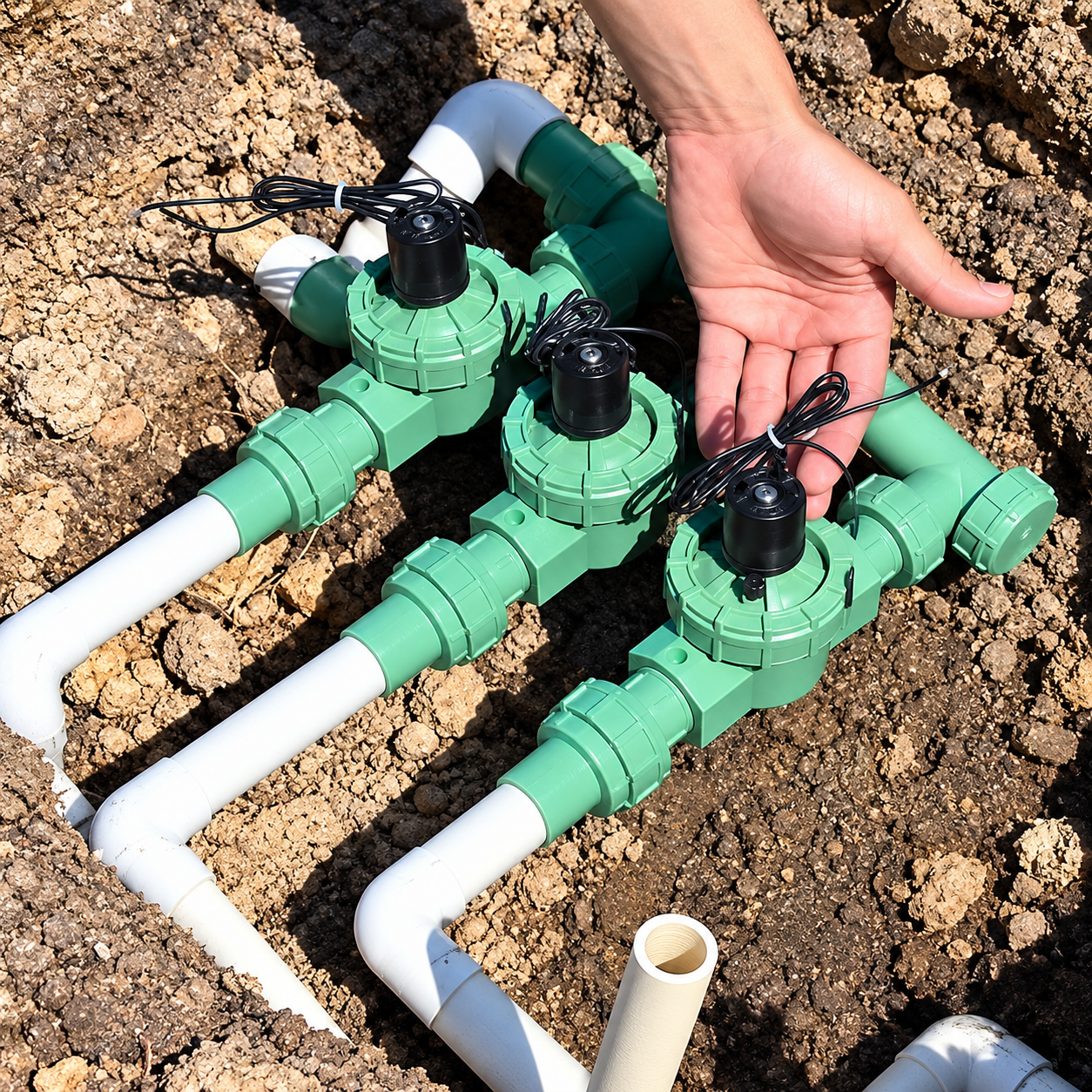
Most folks don't call us because a head broke. They call because the water bill jumped and nothing looks different outside. A system can waste hundreds of gallons a week and still look fine from the kitchen window.
Here's what we tell people to watch for.
• A water bill that climbs month over month while your watering habits stay the same.
• One patch of grass stays green and soft while the rest goes dull, usually a sign water is pooling where it shouldn't.
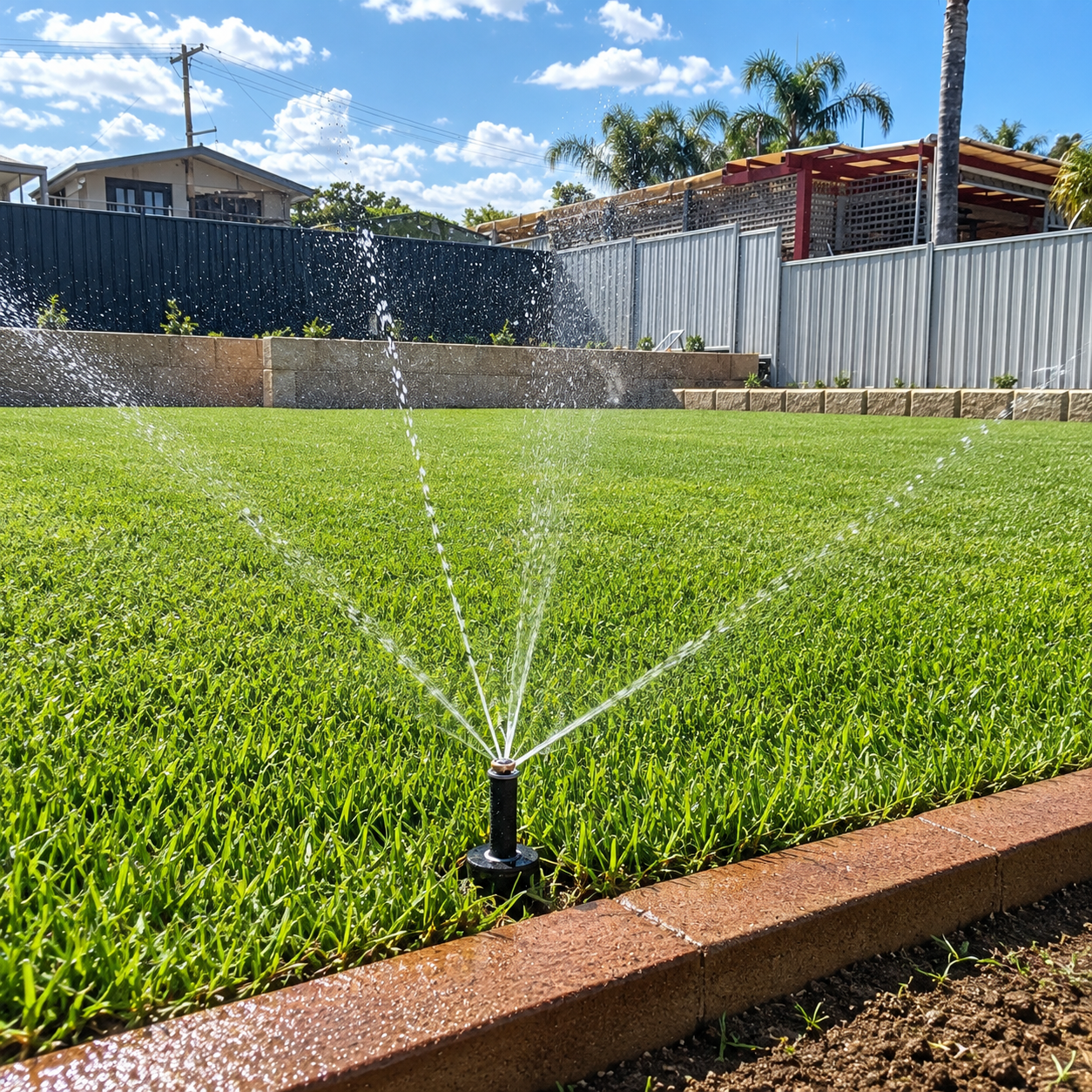
• Heads that mist into a fine fog instead of throwing solid streams. That's pressure running too high, and most of that water never lands on the lawn.
• White crust on nozzles and head tops. Our hard water leaves deposits that narrow the opening and throw off the spray pattern over time.
• Wet spots or soft ground near the valve boxes hours after a cycle finishes.
• Grass that looks thirsty even though the controller says it ran every zone.
Any one of those on its own might be nothing. Two or three together usually means the system is working against you. Soil plays into this more than people expect. North of 1604 the ground is shallow and rocky, so water runs off fast and shows up as dry streaks. South of there the clay holds everything, and the same runtime leaves you with standing water and root rot. And if you can't remember the last time anyone watched your system run start to finish, that's a sign by itself.
Two houses ten minutes apart can live under two different sets of watering rules. It comes down to who bills you for water, not what the mailing address says.
Inside San Antonio, SAWS enforces a Year-Round Watering Rule. It sets limits on when you can run sprinklers, and those limits stay in place even in a wet year. On top of that, SAWS has drought stages that tighten things further when supply drops. We won't print the current stage or schedule here, because those change. Check with SAWS directly for what applies the week you're reading this.
Step outside the SAWS service area and the picture changes. Homes in places like Boerne, Bulverde, or Helotes may be served by a different utility entirely, and that utility writes its own rules. The first thing we ask on an audit is simple: who sends your water bill?
Your controller has to be programmed to fit your rules, not your neighbor's. A system set to run more often than your utility allows can get you a notice. A system crammed into too few run days can flood your yard in one long soak and leave the turf dry by midweek. So part of every audit is matching the run schedule to your actual provider and your actual soil.
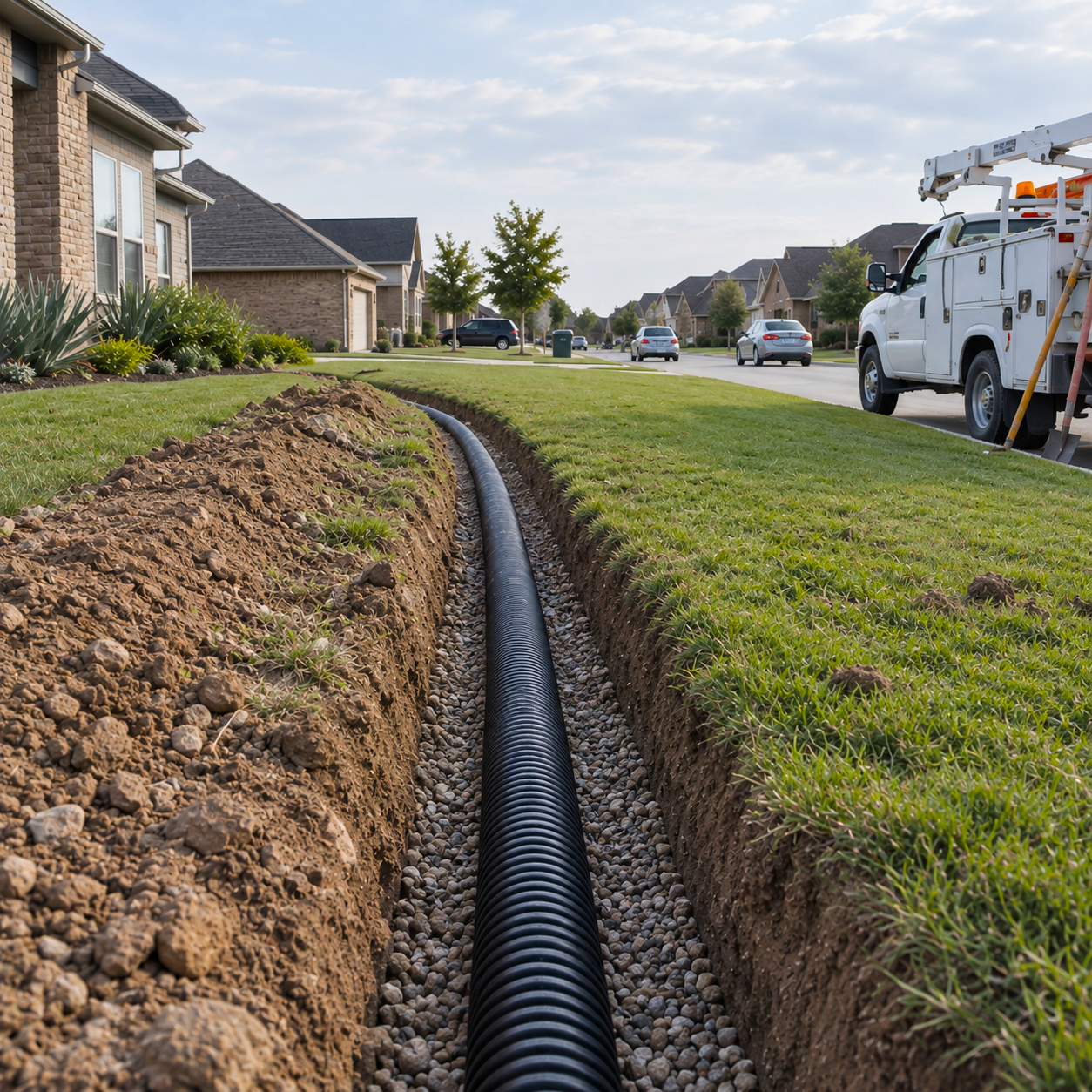
Not every yard problem needs a full system review. Sometimes the answer is smaller and cheaper than that, and we'd rather tell you so on the phone than sell you something you don't need.
If you already know exactly what's wrong and where, you probably don't need us mapping the whole system. One head spraying the fence. A geyser in the middle of zone three. A broken riser the mower clipped last weekend. That's a repair call, not an audit.
• You have a single visible break and the rest of the lawn looks even.
• Your system went in within the last year or two and hasn't been touched since.
• You're already on a regular maintenance schedule and had a seasonal check recently.
• You're about to tear up the yard for a pool, addition, or new patio. Wait until the dust settles.
• The controller is unplugged or the breaker tripped. Check that first.
There's also a timing question. If your water bill jumped one month and then settled back down on its own, give it another billing cycle before you spend money chasing it. A bill that climbs three months running is a different story.
Usually it's a hidden leak, a misadjusted head, or pressure that's too high somewhere in the system. High pressure turns spray into a fine mist that blows away before it lands. A buried or tilted head can also water dirt instead of grass for weeks. An audit catches these because we watch every zone run.
Mineral buildup on nozzles is the biggest one. Our hard water leaves a white crust that narrows the spray opening, so a head can look fine but throw water sideways. We also find heads sunk below grade or buried under turf, especially in older lawns.
Yes, because your water provider decides your rules, not your mailing address. Homes inside San Antonio follow the SAWS Year-Round Watering Rule and its drought stages. Areas outside the SAWS service area may fall under a different utility with its own limits, and your controller has to match that schedule.
%20(1).jpg)