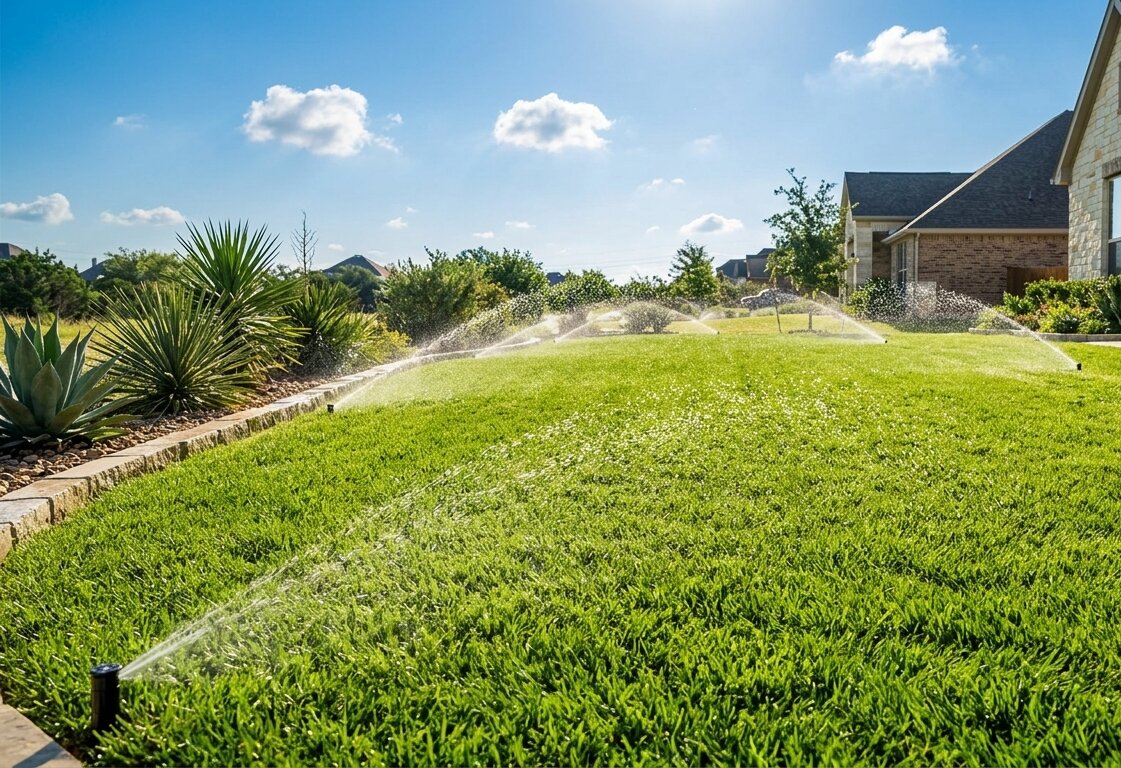
San Antonio Water System (SAWS) enforces year-round watering rules, and they get stricter during drought conditions. If you have an irrigation system, understanding these stages isn't optional, violations carry real fines.
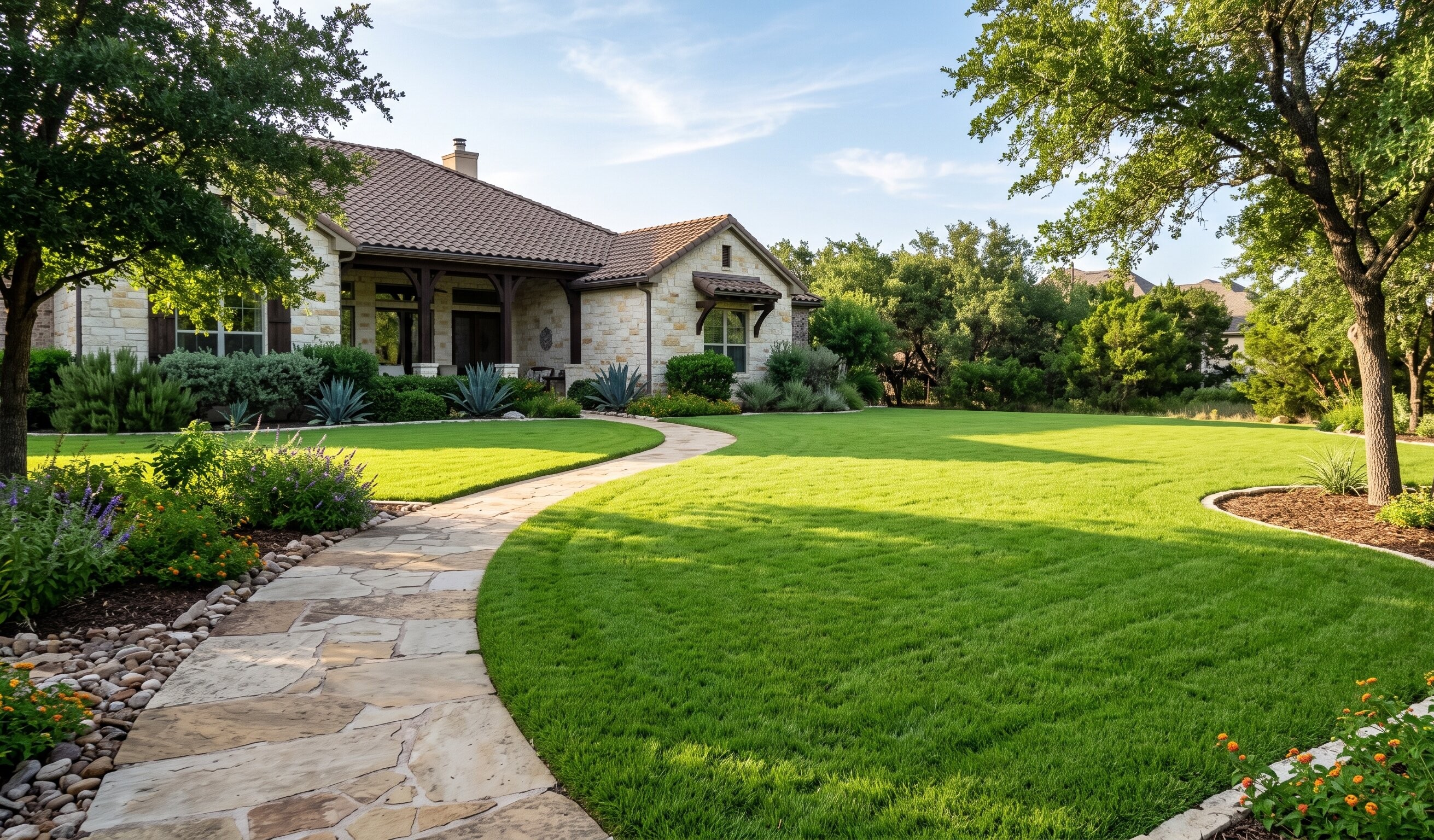
Keeping a lawn green in Texas is a challenge, but managing your landscape can get complicated when local guidelines shift. To help you avoid unexpected fees and conserve our local water supply, here is a simple guide to optimizing your automated system while staying in full alignment with official San Antonio watering restrictions.
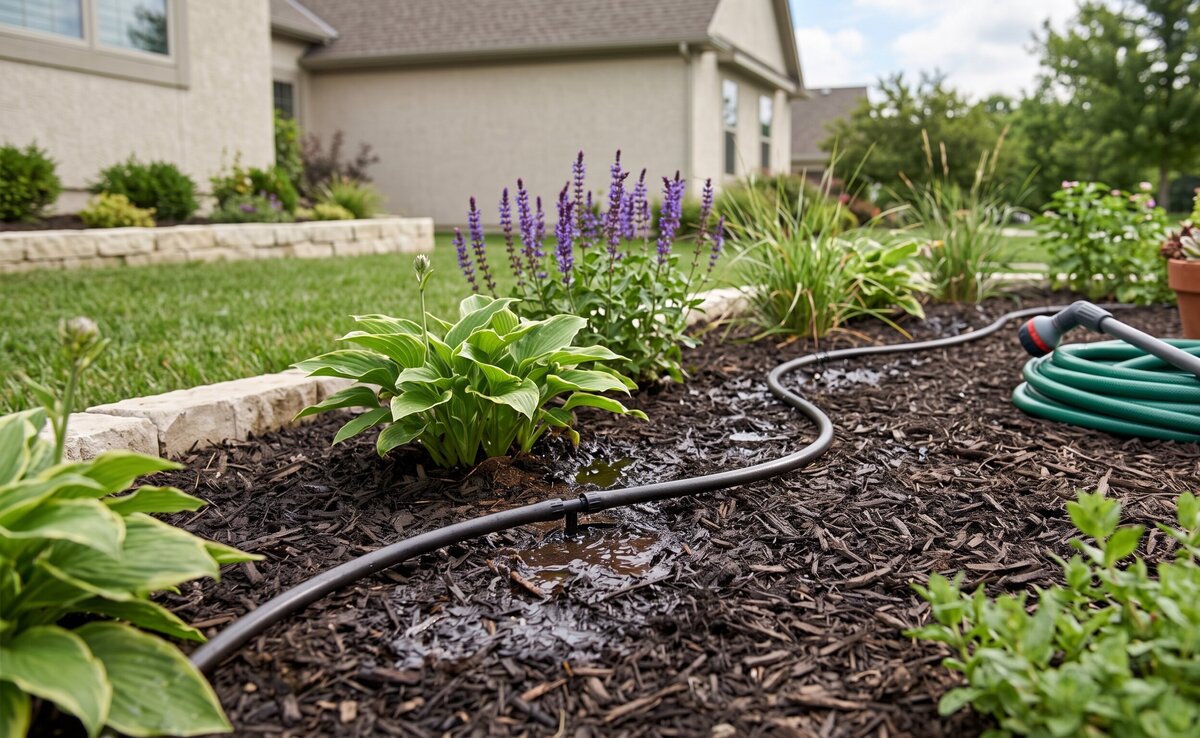
Under normal conditions, San Antonio allows landscape irrigation once per week on your designated day, determined by your address. Even-numbered addresses water on Tuesdays, odd on Wednesdays. Irrigation is only allowed between 7 PM and 11 AM to reduce evaporation. Hand watering with a hose and drip irrigation are exempt from the once-per-week rule and can be used any day. This is one reason drip irrigation zones for beds and gardens make so much sense in San Antonio, they give you more flexibility under the rules.
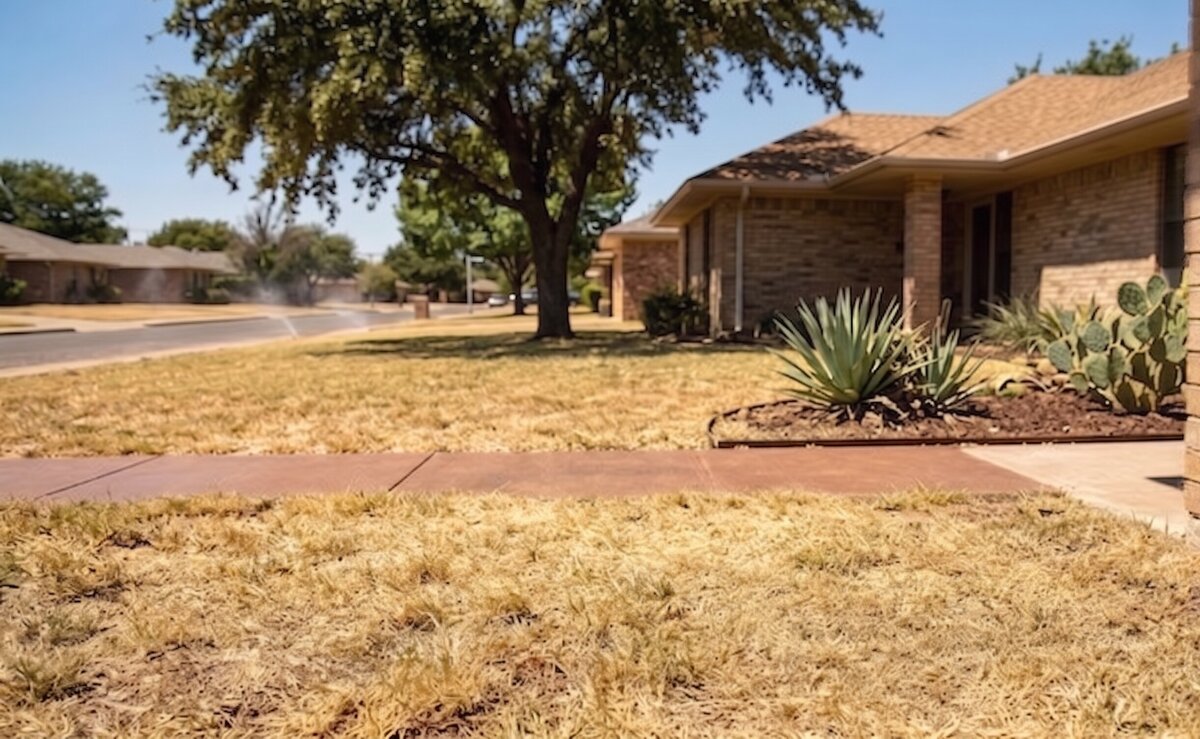
Stage 2 limits irrigation to every other week. Stage 3 restricts it further. By Stage 4, no sprinkler irrigation is allowed at all, only hand watering and drip. Stage 5 (emergency) means no outdoor watering period.
During the 2022–2023 drought, San Antonio hit Stage 3 restrictions for several months. It's not a matter of if these happen again, but when. Your irrigation system should be set up to comply quickly when stages change.
Most modern irrigation controllers can be set to water on specific days of the week. But many homeowners set their systems once and forget about them, which is how they end up running on the wrong day or during restricted hours.
Smart controllers (Wi-Fi connected models from Rain Bird, Hunter, or Rachio) can be updated remotely and some automatically adjust based on local weather data and watering restrictions. If you're still running a mechanical timer or a basic digital controller from 10 years ago, upgrading the controller alone costs $200–400 installed and pays for itself by avoiding fines and wasted water.
We help San Antonio homeowners set up their systems for compliance and efficiency. A properly zoned and scheduled system uses 30–40% less water than one that's just running on a default program, which also means a lower SAWS bill every month.

%20(1).jpg)