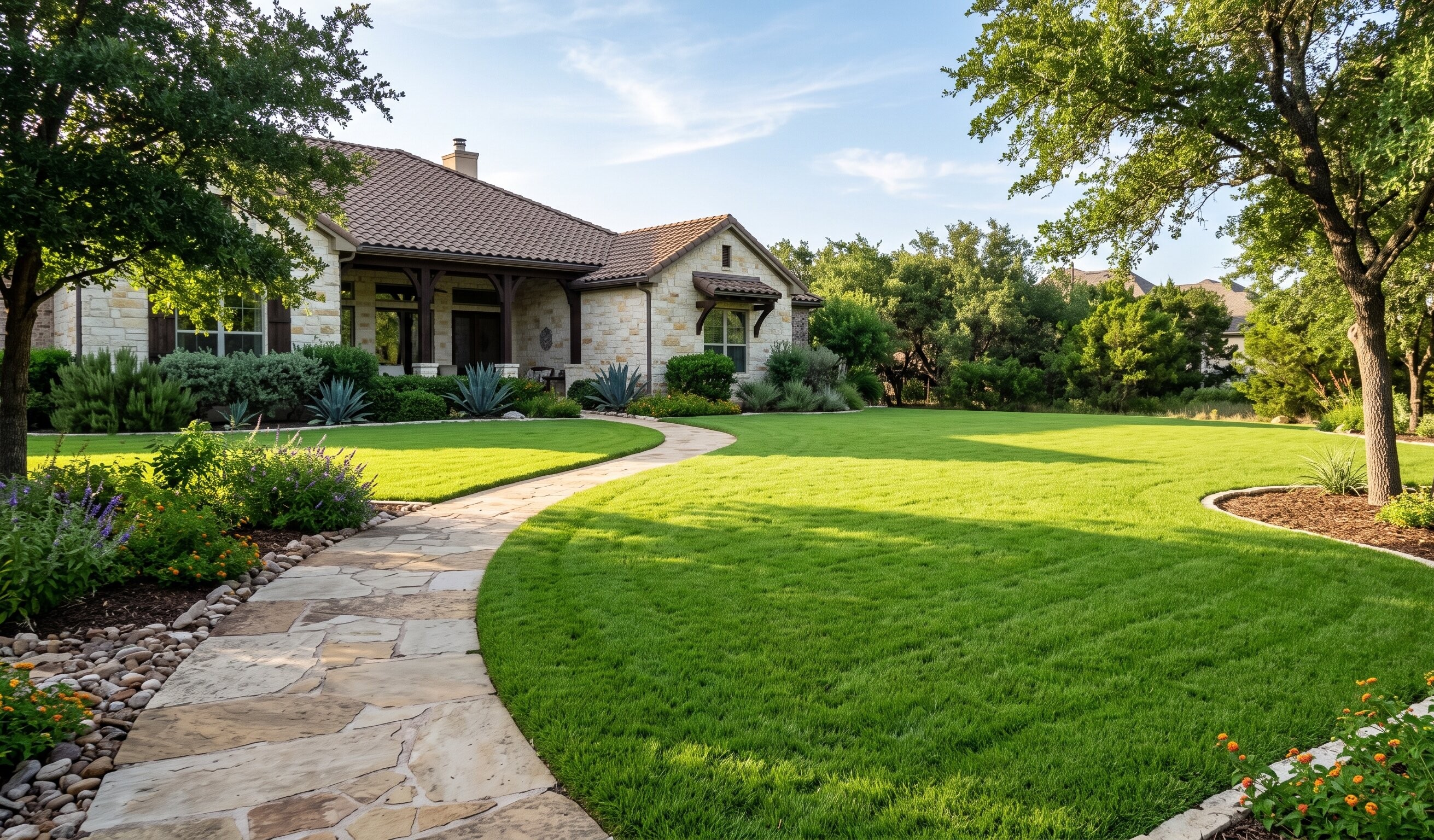
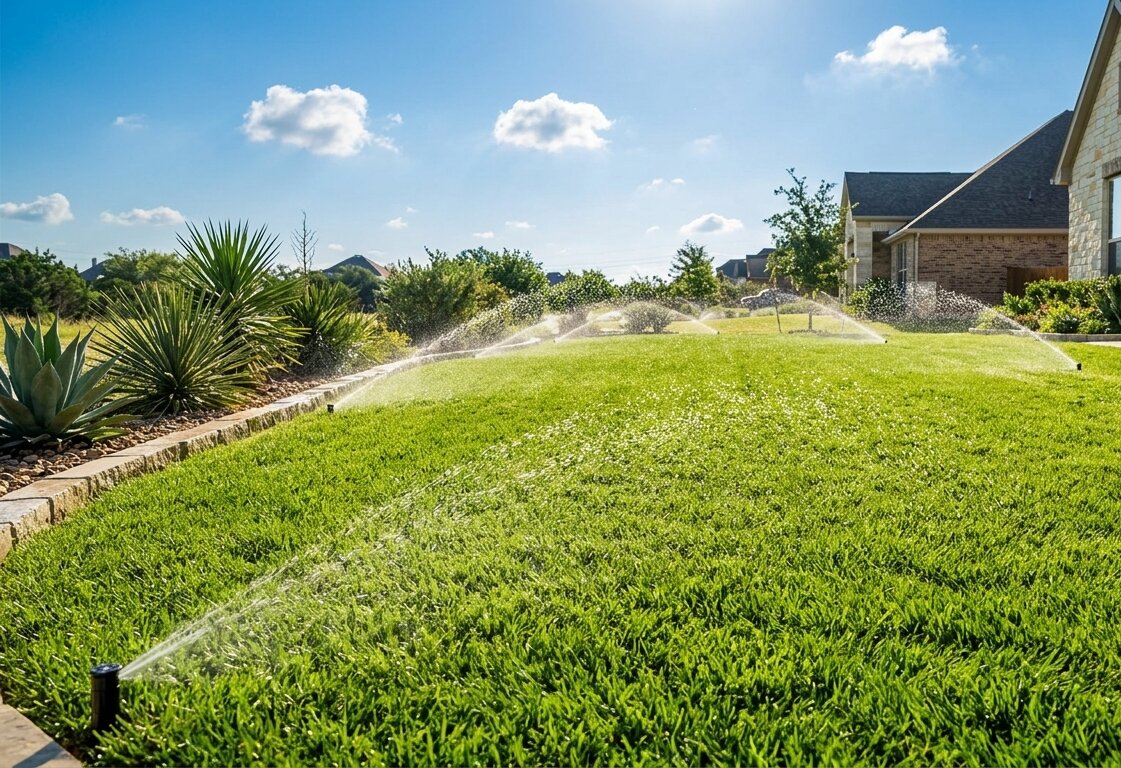
Moore Irrigation Services designs and installs outdoor drainage for San Antonio homeowners — full-yard drainage plans, French drains, grading, and crawl space drainage, all built around the expansive clay soil this area sits on. Every job starts with a walk of the property to see where water actually collects and why, and every estimate is free.
Most people land on this page after a storm: water standing in the yard for days, a musty smell in the crawl space, or a low spot that keeps creeping toward the foundation. Below are the three ways we solve that — a full outdoor drainage plan, a French drain, and crawl space drainage — and how to tell which one your yard actually needs.
Water sitting in your yard for two or three days after a storm isn't normal, even here. It usually means the ground has nowhere for that water to go, or the lot slopes the wrong way. That's the starting point for outdoor drainage work — a walk through the property to find where water collects and why.
Outdoor drainage is the umbrella term for fixing that. It's not one fix, it's a plan that might combine a few different tools depending on what we find. This is different from a French drain, which is one specific piece of hardware — a trench, pipe, and gravel. And it's different from soil grading, which reshapes the slope of the land. Grading is often a piece of an outdoor drainage plan, not the whole answer on its own.
•Reshaping low spots and slopes so water moves instead of sitting
•Swales that carry surface water across the yard toward a safe outlet
•Piped drainage systems for water that grading alone can't move
•Tying downspouts into the system so roof water doesn't add to the problem
Expansive clay soil across San Antonio and the Hill Country is a big part of why this happens so often — it swells when wet and doesn't let water soak in the way sandier soil does. Most yards we look at need a mix of these fixes, not just one.
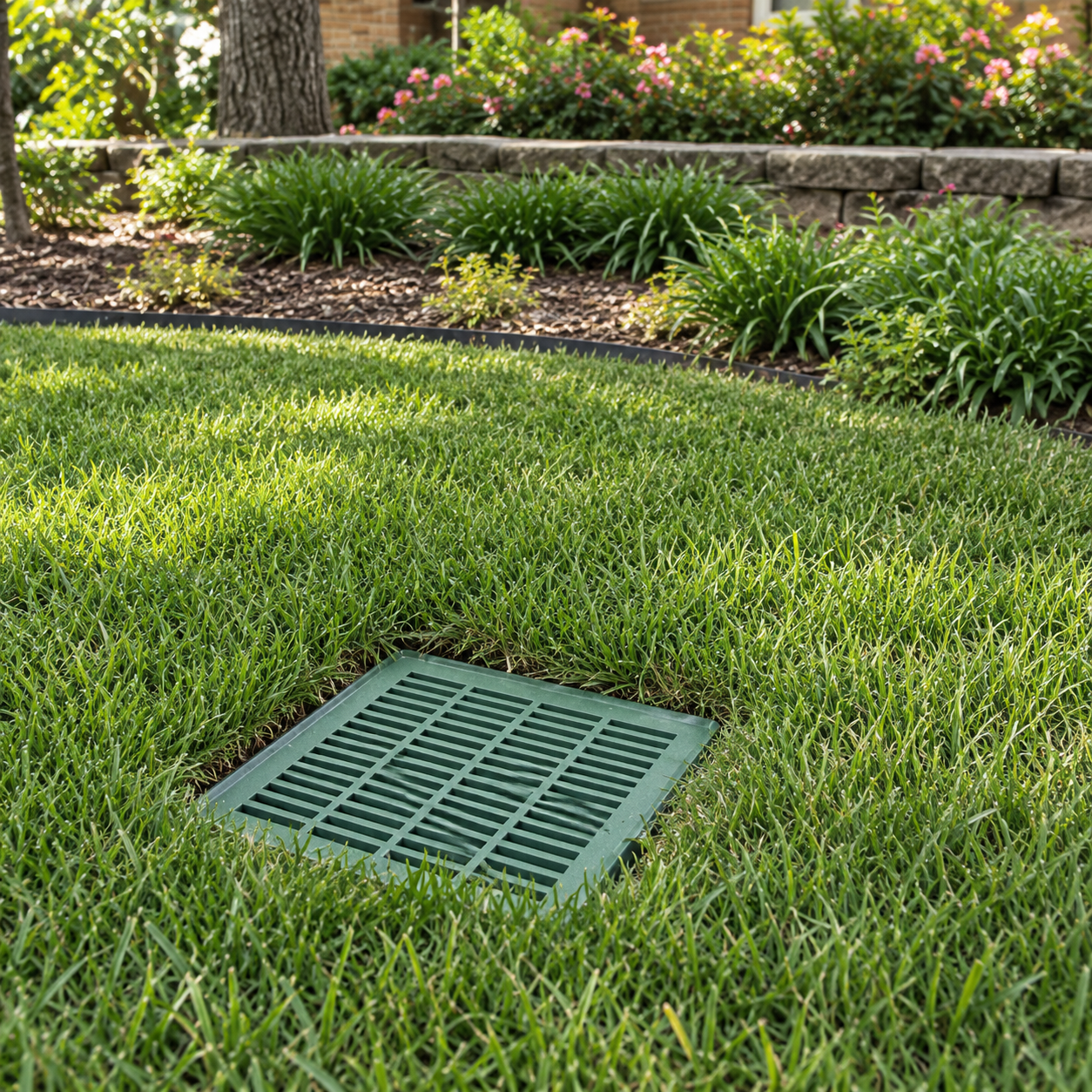
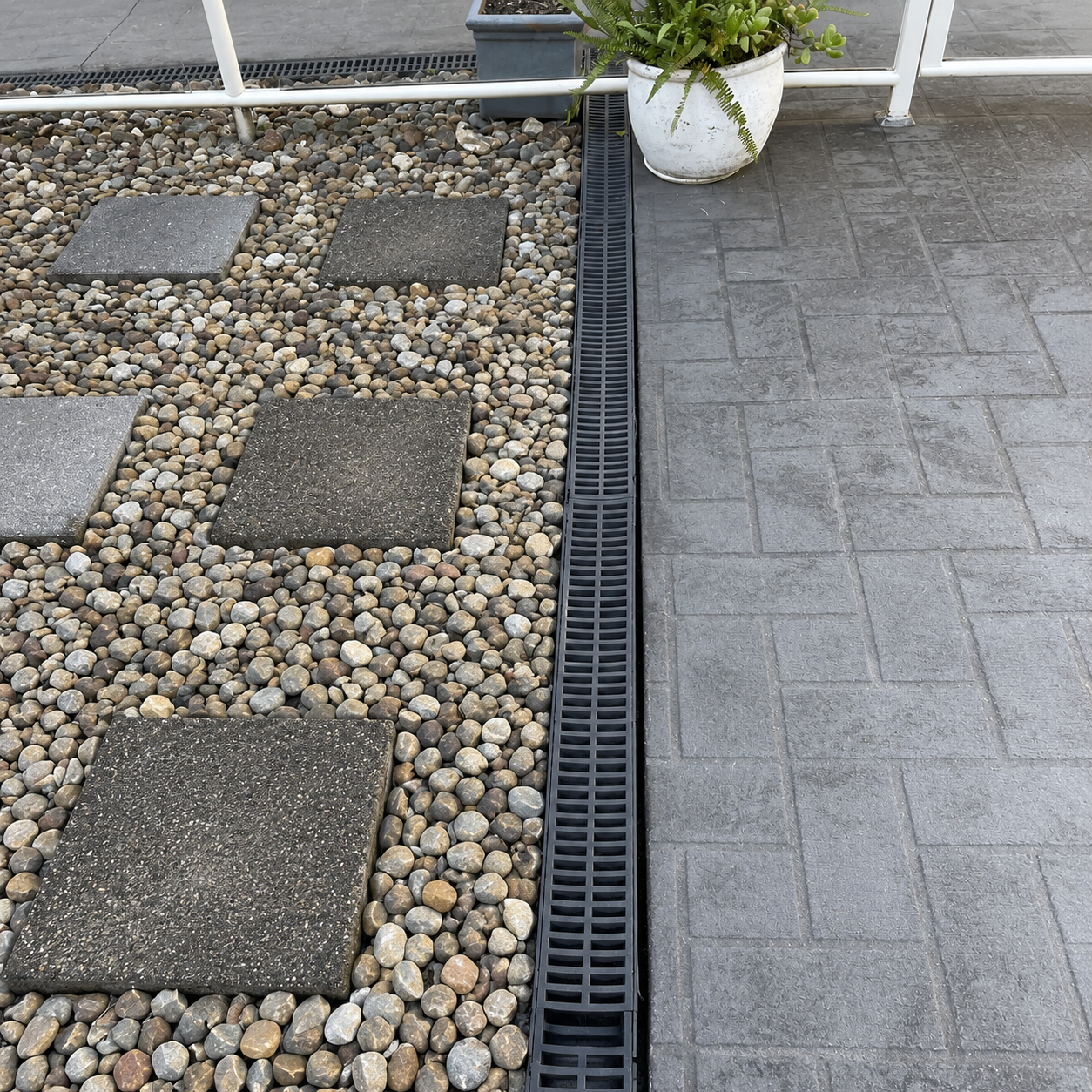
A French drain is one specific way to solve a wet yard, not a catch-all term for drainage work. If you've got a strip of ground that never dries out, or water that keeps creeping toward the foundation, this is usually the fix people mean when they say 'French drain.'
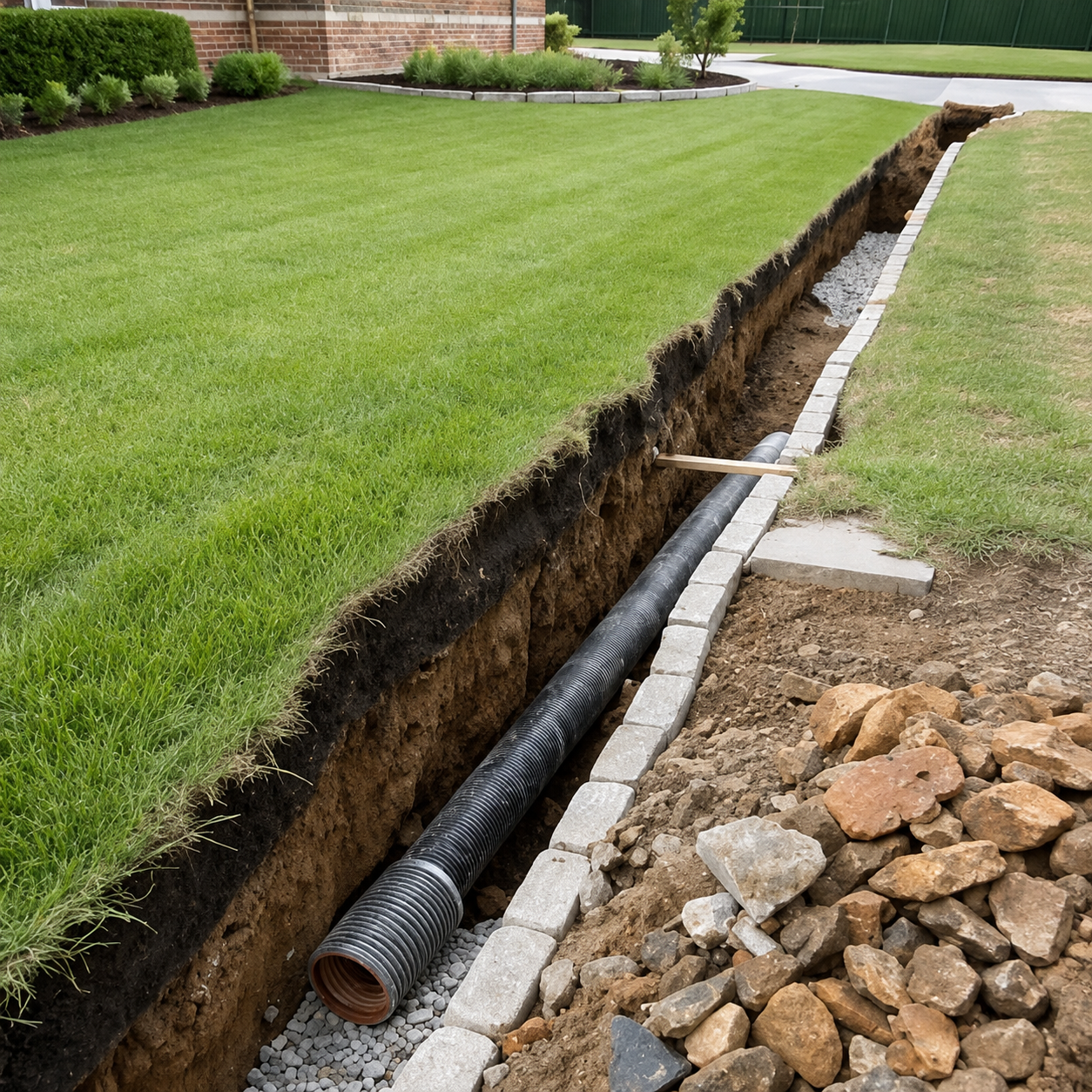
The work itself is straightforward on paper. We dig a trench along the path the water needs to travel, set perforated pipe inside a bed of gravel, and run it to a spot where the water can drain away safely. Downspouts often tie into the same line, so roof runoff and ground water leave through one system instead of two separate problems. The digging is the easy part to picture and the hardest part to get right. Before any trench opens up, we get utility lines marked. That step isn't optional — it's required before excavation work like this, and skipping it is how someone hits a gas or electric line they didn't know was there.
French drains work well as a targeted fix, but they're not always the whole answer. On lots with a bigger slope problem, a French drain paired with grading does more than the trench alone.
You walk into the crawl space and it smells damp, or you know from a past storm that water sits under the house for days. That's a different problem than a wet spot in the yard. A French drain handles surface and yard-level water; crawl space drainage targets water that's already gotten under the structure itself.
The same clay movement that floods yards is a big reason this shows up — on sloped lots especially, that movement pushes water toward the path of least resistance, often right under the house.
•Musty or damp smell in the crawl space
•Standing water visible under the house after rain
•A lot that slopes toward the foundation
•Past water damage near the base of exterior walls
The fix usually means piping water away from under the structure to a safe discharge point, sometimes paired with grading work outside. It's easy to overlook because you can't see it, and it tends to get worse quietly before anyone notices. If any of the signs above sound familiar, have it looked at before the next big storm — the assessment is part of the free estimate.
San Antonio sits on expansive clay soil that swells when wet and shrinks when dry. That movement pushes water toward the path of least resistance, often right under your house or across sloped yards. It's a big reason standing water, foundation issues, and damp crawl spaces show up so often here.
A French drain fits a specific wet strip of ground or water creeping toward your foundation. Outdoor drainage is broader and combines grading, swales, or piped systems when the whole lot has nowhere for water to go. We walk the property first, then tell you which fix solves the problem.
Yes, a musty smell usually means water is getting under your house and staying there. This is different from a wet yard, which surface drainage or a French drain handles. Crawl space drainage routes that trapped water away from your foundation before it causes bigger damage. Sloped lots see this most often.
Yes, we work across San Antonio and the surrounding Hill Country areas. Our team walks your property first to see how water moves and where it collects. That assessment shapes whether you need grading, a French drain, or a full outdoor drainage plan. Call us and we'll set up a time to look at your yard.
%20(1).jpg)